 Stroke - Emergency gestures and warning signs (PDF)
Signs

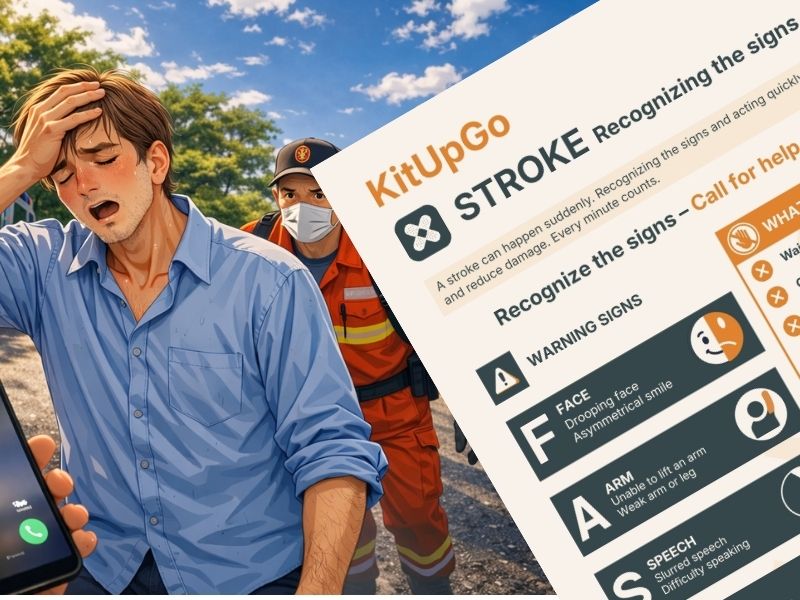
When a stroke strikes suddenly, every minute counts.
Doubt, hesitation, or a wrong reaction can have severe consequences.
A quick-reference sheet to anticipate and know what to do immediately in case of a stroke.
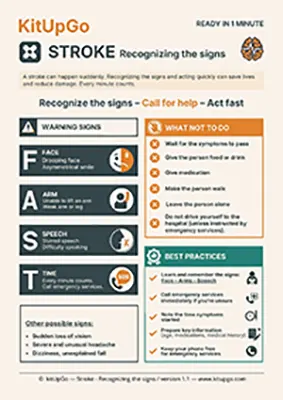



A stroke can happen suddenly, without warning. Sudden paralysis on one side of the body, speech difficulties, loss of vision, or loss of balance: signs can appear in seconds.
In these critical moments, every minute counts. Knowing what to do in case of a stroke allows you to act immediately and increase the chances of rapid care. A delayed reaction can lead to serious and irreversible consequences.
This PDF guide was designed to clearly answer this essential question: what to do in case of a stroke and what emergency steps to take immediately?
Simple, structured, and quick to consult, it guides you step-by-step to recognize warning signs and react without wasting time.
In one clear and concise page, you will find:
Everything is simply phrased to allow for a quick reaction, even in stressful situations.
What to do in case of a stroke means:
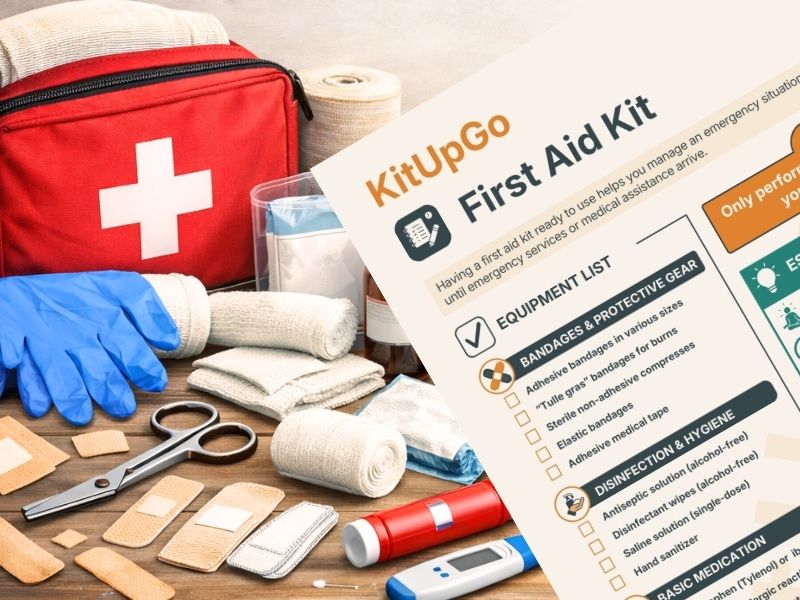
To complete your emergency preparedness, it is also recommended to have a suitable First Aid Kit at home, at work, or while traveling.
It works as both:
The guide What to do in case of a stroke? is intended for:
Printable or viewable on a phone, it can be kept at home, at work, or in an emergency kit.
What to do in case of a stroke? Stay one step ahead, recognize the warning signs, and take immediate action with this handy PDF guide.



To provide the best experiences, we use technologies such as cookies to store and/or access device information. Consent to these technologies will allow us to process data such as browsing behavior or unique IDs on this site. Not consenting or withdrawing consent may negatively impact certain features and functions.
To provide the best experiences, we use technologies such as cookies to store and/or access information on devices. Consenting to these technologies allows us to process data such as browsing behavior or unique IDs on this site. Not consenting or withdrawing consent may negatively affect certain features and functions.